
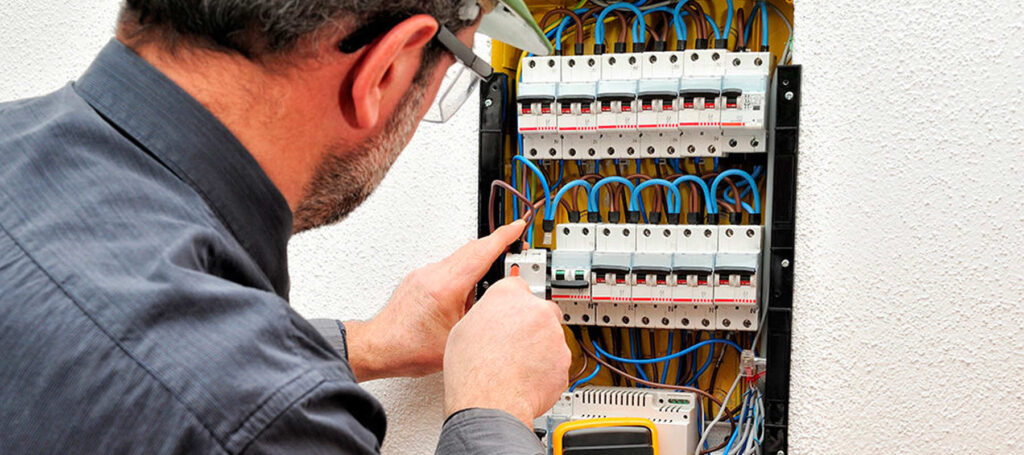
Embarking on an electrical panel replacement is a significant step in maintaining and upgrading your home’s electrical infrastructure. This comprehensive guide, brought to you by Top Rated Electric, aims to navigate you through the complexities of the process. From recognizing the need for an upgrade to future-proofing your system, we cover everything you need to know. Replacing your electrical panel not only enhances the safety and efficiency of your home’s electrical system but also adapts it to modern energy demands. Let’s embark on this journey with essential tips and expert advice to ensure a smooth and successful upgrade.
The Essential Guide to Electrical Panel Replacement
The journey of replacing an electrical panel is a crucial endeavor for maintaining the safety, efficiency, and reliability of your home’s electrical system. This guide, presented by Top Rated Electric, aims to provide comprehensive insights into each step of the process. Recognizing when your panel needs replacement is the first and most important step. This involves understanding the signs of an aging or inadequate system and the risks associated with it.
- Once the need for replacement is established, selecting the right panel is critical. This choice should be based on a careful assessment of your current and future electrical needs, including the consideration of any plans for home expansions or major appliance upgrades. It’s also essential to consider the latest technologies available, such as smart panels, which offer advanced features for monitoring and managing your home’s energy usage.
- Legal compliance and permits are not to be overlooked. This includes understanding and adhering to local building and electrical codes, as well as obtaining the necessary permits for the work. These steps are crucial for ensuring the safety and legality of the installation.
- Finding the right electrical contractor is another key aspect of the process. This involves researching and selecting a qualified, experienced, and reputable professional who can ensure a safe and efficient installation. The contractor should be someone who communicates effectively, understands your specific needs, and has a proven track record of quality work.
- Detailed project planning is essential to ensure the replacement is carried out smoothly. This includes establishing a clear timeline, budgeting appropriately, and preparing for any temporary disruptions to your home’s power supply during the installation.
- Effective communication with your electrician throughout the process is vital. This ensures that your requirements and concerns are addressed, and you remain informed about the progress of the project.
- Budgeting and cost control are crucial aspects, especially in managing the financial investment of the replacement. This involves detailed cost estimation, exploring financing options, and seeking potential rebates or incentives.
- Preparing your home for the installation and understanding the safety protocols during the replacement are vital steps to ensure a smooth process. This includes making necessary arrangements like securing pets and valuables, and ensuring safety measures are in place.
- Finally, quality control and testing post-installation, understanding the maintenance requirements of your new panel, and considering future-proofing your electrical system are all important considerations to maximize the benefits of your investment.
- In conclusion, electrical panel replacement is a multifaceted process that requires careful planning, informed decision-making, and professional execution. By following this essential guide, you can navigate through each step with confidence, ensuring a successful upgrade to your home’s electrical system.
Read also Electrical Panel Upgrade: A Detailed 9-Step Guide >>>
Recognizing the Need for Replacement
Identifying when to replace your electrical panel is vital for maintaining the safety and efficiency of your home’s electrical system.
- Age of the Panel: If your panel is over 25 years old, it might not meet modern electrical standards.
- Frequent Circuit Breaker Trips: Frequent tripping can indicate that your panel cannot handle your home’s electrical load.
- Signs of Physical Damage: Look for signs of wear, such as rust, burn marks, or any melting or scorching around the panel.
- Buzzing Sounds or Strange Odors: Unusual sounds or smells from the panel are clear indicators of potential electrical hazards.
- Use of Fuses Instead of Circuit Breakers: Older systems with fuses are less safe and efficient compared to modern circuit breaker panels.
- Lack of Sufficient Power Outlets: If you’re using multiple extension cords or power strips, your current panel may not be adequate for your needs.
- Plans for Home Additions or Major Renovations: If you’re planning significant home additions, your current electrical panel might not suffice.
Recognizing these signs and acting promptly can prevent potential hazards and ensure your electrical system’s efficiency and safety.
What to Expect During the Replacement Process
Understanding what to expect during the electrical panel replacement process can help prepare you for the project and ensure it runs smoothly.
- Initial Assessment and Consultation: Your electrician will first assess your current panel and discuss your needs.
- Duration of the Project: Typically, a panel replacement can take anywhere from a few hours to a full day.
- Power Outage: Expect a power outage in your home during the replacement process.
- Installation Noise and Activity: There will be some level of noise and activity during the installation.
- Safety Precautions: Electricians will take safety precautions to protect your home and themselves.
- Inspection and Testing Post-Installation: After installation, the new panel will be inspected and tested to ensure it functions correctly.
- Clean-Up Post-Installation: Your electrician should clean up the work area after completing the installation.
Being prepared for these aspects of the replacement process ensures a more comfortable and less disruptive experience.
Tip 1: Comprehensive Needs Analysis
A thorough analysis of your electrical needs is the foundation of a successful panel replacement. This step is crucial to ensure that your new panel meets both current and future demands.
- Evaluate Current Electrical Load: Start by assessing the current load. This includes the number and type of electrical devices you regularly use, such as appliances, lighting, and electronics.
- Consider Future Additions: Anticipate future changes or additions to your home that might increase your electrical needs, like home renovations or the addition of high-energy-consuming appliances.
- Assess for Renewable Energy Integration: If you’re considering integrating renewable energy sources like solar panels in the future, your new panel should be capable of handling this.
- Analyze Peak Usage Patterns: Understanding your peak usage times and the load during these periods helps in selecting a panel that can handle these peaks efficiently.
- Consult with Professionals: Engage with experienced professionals from Top Rated Electric for a comprehensive assessment. They can provide insights into the latest technologies and how they align with your needs.
- Review Historical Energy Usage: Look at your past energy bills to understand your consumption patterns. This can give you a clear idea of your average and peak energy usage.
- Plan for Smart Home Technologies: If you’re interested in smart home technologies, ensure that your new panel can support these systems both in terms of power and connectivity.
- Include Safety Margin in Calculations: Always include a safety margin in your calculations to ensure your panel won’t be overloaded as your electrical needs grow.
A comprehensive needs analysis guarantees that your new panel will not only meet your current requirements but also be adaptable to future advancements and changes in your lifestyle.
Tip 2: Panel Type and Feature Selection
Selecting the right panel type and features is essential for ensuring that your electrical system is efficient, safe, and future-proof.
- Determine Appropriate Panel Size: The size of your panel should be based on your current and projected electrical needs. Common residential panels range from 100 to 200 amps.
- Choose Between Main Breaker and Main Lug Panels: Decide between a main breaker panel, which provides a master disconnect for power shut-off, and a main lug panel, suitable if there’s already a main breaker elsewhere.
- Consider Smart Panel Features: Modern panels offer smart features for monitoring energy use and managing circuit loads, which can be invaluable for energy management and diagnostics.
- Evaluate Brand and Manufacturer Reputation: Research different brands and manufacturers, focusing on their reputation for reliability, customer service, and warranty offerings.
- Assess Expansion Capabilities: Ensure the panel has enough room for future expansion. This is crucial if you plan to add more circuits or upgrade your home.
- Look for Compatibility with Renewable Energy Systems: If you’re considering renewable energy systems, ensure the panel is compatible with these technologies.
- Check for Safety Features: Modern panels come with built-in safety features like arc-fault circuit interrupters (AFCIs) and ground-fault circuit interrupters (GFCIs) for enhanced protection.
- Understand Different Panel Types: Familiarize yourself with different panel types, such as sub-panels, which might be necessary for large homes or extensive systems.
Choosing the right panel type and features is a balance between meeting current electrical requirements and preparing for future needs, ensuring longevity and adaptability of your electrical system.
Tip 3: Legal Compliance and Permits
Understanding and adhering to legal requirements and obtaining the necessary permits is crucial for a safe, legal, and compliant electrical panel replacement.
- Familiarize with Local Building Codes: Start by understanding the local building and electrical codes that apply to panel replacements in your area.
- Obtain Necessary Permits: Ensure you obtain all necessary permits before starting the work. This is often a legal requirement and ensures that your installation is inspected and meets safety standards.
- Understand National Electrical Code (NEC) Requirements: The NEC sets the baseline for electrical safety; familiarize yourself with its requirements, as they often influence local codes.
- Plan for Inspections: Schedule inspections as required by local regulations. These inspections verify that the installation meets safety and code standards.
- Engage with Qualified Professionals: Work with qualified professionals like those from Top Rated Electric, who are familiar with local codes and permit processes.
- Ensure Contractor’s Insurance and Bonding: Verify that your electrical contractor has the necessary insurance and bonding. This protects you in case of accidents or damage during the installation.
- Document Everything: Keep detailed records and documentation of the replacement process, including permits, inspection reports, and contractor agreements.
- Stay Informed About Code Changes: Electrical codes can change. Stay informed about any updates to ensure ongoing compliance, especially if your project is long-term.
Compliance with legal requirements and permits is not just about following rules; it’s about ensuring the safety and legality of your electrical panel installation.
Tip 4: Finding the Right Electrical Contractor
Selecting a competent and reliable electrical contractor is critical for the success of your panel replacement project.
- Check for Licenses and Certifications: Ensure the contractor is licensed and certified to perform electrical work in your area. This is a basic requirement for professional and legal installations.
- Review Experience and Specialization: Look for a contractor with specific experience in electrical panel replacements. Ask for references or examples of previous work.
- Assess Reputation and Reviews: Research the contractor’s reputation. Read online reviews and testimonials to gauge customer satisfaction and the quality of their work.
- Confirm Insurance and Warranty Offers: Ensure the contractor has liability insurance and offers warranties on their work. This protects you against potential future issues. Learn more about home insurance and electrical panel relationships >>
- Discuss Availability and Response Times: Consider the contractor’s availability and responsiveness. This is important for timely completion of your project and for future maintenance needs.
- Evaluate Communication Skills: Good communication is essential for a successful project. Your contractor should be able to explain technical details in understandable terms and keep you informed throughout the process.
- Compare Quotes: Get quotes from multiple contractors to compare prices. However, remember that the cheapest option isn’t always the best in terms of quality.
- Assess Professionalism and Customer Service: Pay attention to the contractor’s professionalism and customer service during initial interactions. This often reflects the overall quality of service you can expect.
Finding the right electrical contractor, like Top Rated Electric, ensures a professionally executed panel replacement, adhering to the highest standards of quality and safety.
Tip 5: Detailed Project Planning
Efficient and detailed project planning is essential to ensure your panel replacement is completed on time, within budget, and with minimal disruption.
- Create a Comprehensive Timeline: Develop a detailed timeline for the project, including the start and end dates, and major milestones. This helps in tracking progress and managing expectations.
- Budget Planning and Management: Prepare a detailed budget, including costs for the panel, installation, and any incidental expenses. Monitor expenses throughout the project to avoid overspending.
- Coordinate with Other Home Projects: If you have other ongoing home improvement projects, coordinate the panel replacement with these to minimize overall disruption.
- Prepare for Power Outages: Plan for any temporary power outages during the installation. This may involve arranging alternative power sources or scheduling work during times when power is not critically needed.
- Safety Measures and Contingency Planning: Implement safety measures for the duration of the project and have contingency plans in place for any unexpected challenges or delays.
- Regular Communication with Contractor: Maintain regular communication with your electrical contractor to stay updated on the project’s progress and to discuss any changes or issues that arise.
- Plan for Waste Disposal and Cleanup: Arrange for proper disposal of your old panel and any other waste material, and plan for cleanup after the installation is complete.
- Post-Installation Review: After the project’s completion, conduct a review to ensure all objectives have been met and to learn from any challenges for future projects.
A detailed plan for your electrical panel replacement ensures that the project is well-organized, safe, and completed to your satisfaction.
Tip 6: Effective Communication with Your Electrician
Effective communication with your electrician is crucial for a successful electrical panel replacement. Clear and regular communication ensures your requirements are understood and met.
- Initial Consultation and Expectations: Start with a detailed consultation, outlining your specific needs and expectations for the panel replacement.
- Regular Updates and Check-ins: Schedule regular check-ins to stay informed about the progress and address any issues as they arise.
- Discussing Technical Details: Ensure that the electrician explains technical aspects in a way that is understandable to you, helping you make informed decisions.
- Availability for Questions and Concerns: Your electrician should be readily available to answer any questions or address concerns you might have throughout the project.
- Feedback and Adjustments: Provide timely feedback on the work being done, allowing for any necessary adjustments or changes in the plan.
- Post-Installation Support: Ensure that your electrician offers post-installation support for any queries or issues that may arise after the completion of the project.
- Clear Communication of Costs and Changes: Any changes to the project scope or costs should be communicated and agreed upon promptly to avoid misunderstandings.
- Emergency Contact Procedures: Establish clear procedures for emergency contact in case of any urgent issues during the replacement process.
Effective communication forms the backbone of a successful project, ensuring that your panel replacement is completed efficiently and to your satisfaction.
Tip 7: Budgeting and Cost Control
Effective budgeting and cost control are essential for managing the financial aspect of your electrical panel replacement without overspending.
- Detailed Cost Estimation: Begin with a detailed estimate of all costs involved, including the panel, installation, any additional components, and potential unforeseen expenses.
- Comparison Shopping for Panels and Components: Research and compare prices for different panels and components to find the best deals without compromising on quality.
- Allocating a Contingency Fund: Set aside a contingency fund, typically 10-20% of the total budget, to cover unexpected costs during the project.
- Monitoring Expenses: Keep a close eye on expenses throughout the project to ensure you stay within budget.
- Understanding Financing Options: Explore various financing options, if necessary, such as loans or payment plans offered by electrical services or financial institutions.
- Seeking Rebates and Incentives: Look for any rebates or incentives for energy-efficient upgrades that can help offset some of the costs.
- Negotiating with Contractors: Don’t hesitate to negotiate with contractors like Top Rated Electric on pricing, especially for larger projects.
- Regular Review and Adjustment of Budget: Regularly review and adjust the budget as the project progresses to accommodate any changes or unexpected expenditures.
Effective budgeting and cost control help in managing the expenses associated with your electrical panel replacement, ensuring a financially sound project.
Tip 8: Preparing Your Home for Installation
Preparing your home for the electrical panel installation is an important step to ensure a smooth and efficient process.
- Clear Access to Electrical Panel Area: Clear the area around the electrical panel to provide easy and safe access for the electricians.
- Secure Pets and Inform Family Members: Ensure pets are secured and family members are informed about the work area and schedule to avoid any disruptions or accidents.
- Temporary Power Arrangements: Make arrangements for temporary power solutions if necessary, especially for essential appliances.
- Protecting Furniture and Belongings: Cover furniture and belongings near the work area to protect them from dust and debris.
- Safety Measures for Children: If there are children in the home, take additional safety measures to keep them away from the work area.
- Informing Neighbors: If the replacement is likely to cause significant noise or disruption, inform your neighbors in advance.
- Arranging for Waste Disposal: Plan for the disposal of your old electrical panel and any other debris from the installation.
- Post-Installation Cleanup Plan: Prepare for cleaning up the area after installation, either by yourself or through professional cleaning services.
Preparing your home for the panel installation minimizes disruptions and ensures a safe and efficient process.
Tip 9: Safety Protocols During Replacement
Adhering to safety protocols during the electrical panel replacement is crucial to protect your home and everyone involved in the process.
- Understanding Basic Electrical Safety: Educate yourself on basic electrical safety principles to understand the risks and necessary precautions.
- Safety Gear for Electricians: Ensure that the electricians use appropriate safety gear, including gloves, goggles, and other personal protective equipment.
- Secure Work Area: Set up a secure work area around the electrical panel, keeping it free from unnecessary traffic and hazards.
- Emergency Procedures: Establish clear emergency procedures in case of an electrical accident or fire.
- Regular Safety Audits: Conduct regular safety audits of the work area to identify and mitigate any potential hazards.
- Clear Communication of Safety Protocols: Ensure that all safety protocols are clearly communicated and understood by the electricians and any other workers.
- Compliance with Local Safety Regulations: Ensure that the installation complies with all local safety regulations and codes.
- Post-Installation Safety Checks: After installation, conduct thorough safety checks to ensure everything is functioning correctly and safely.
Safety protocols are critical to prevent accidents and ensure a safe installation process.
Tip 10: Quality Control and Testing
Quality control and testing are vital components of the electrical panel replacement process, ensuring the new system functions correctly and safely.
- Inspecting Panel Installation: Conduct a thorough inspection of the panel installation, checking for proper wiring, secure connections, and correct placement.
- Testing Electrical Circuits: Test each electrical circuit to ensure they are properly connected and functioning as expected.
- Verifying Compliance with Specifications: Verify that the installation complies with the specifications and requirements you discussed with your electrician.
- Ensuring Code Compliance: Check that the installation adheres to all relevant electrical codes and standards for safety and efficiency.
- Functionality Testing of Safety Features: Test safety features like circuit breakers and GFCIs to ensure they function correctly.
- Energy Efficiency Assessment: Assess the energy efficiency of the new panel, ensuring it meets your expectations and contributes to lower energy costs.
- Documentation of Testing Procedures: Keep a record of all testing procedures and results for future reference and warranty purposes.
- Addressing Any Issues Immediately: If any issues are identified during testing, ensure they are addressed immediately to avoid future problems.
Quality control and testing provide assurance that your new electrical panel is safe, efficient, and meets all necessary standards and expectations.
Tip 11: Understanding Maintenance Requirements
Understanding the maintenance requirements of your new electrical panel is key to ensuring its longevity and optimal performance.
- Familiarizing with Panel Maintenance: Learn the basics of electrical panel maintenance, including what you can do and what should be left to professionals.
- Scheduling Regular Professional Inspections: Schedule regular inspections by qualified electricians to ensure your panel remains in top condition.
- Identifying Common Issues: Educate yourself about common electrical panel issues and their signs, so you can identify potential problems early.
- Maintaining a Clean and Dry Environment: Keep the area around the electrical panel clean and dry to prevent any potential hazards.
- Avoiding DIY Repairs: Avoid attempting DIY repairs on your electrical panel, as this can be dangerous and may void warranties.
- Updating Panel Documentation: Keep documentation of your electrical panel, including installation details, warranty information, and maintenance records.
- Learning About Panel Lifespan: Understand the typical lifespan of electrical panels and the factors that can affect it, to plan for future replacements.
- Energy Usage Monitoring: Consider installing energy usage monitoring systems to keep track of your electrical consumption and panel performance.
Understanding and adhering to maintenance requirements ensures that your electrical panel operates safely and efficiently over its lifespan.
Tip 12: Future-Proofing Your Electrical System
Future-proofing your electrical system is about anticipating future needs and technological advancements to ensure your system remains efficient and relevant.
- Planning for Technological Advancements: Stay informed about emerging technologies in home electrical systems and how they might be integrated into your system.
- Expandability of the Panel: Choose a panel that allows for easy expansion, with extra slots for additional circuits, to accommodate future electrical needs.
- Smart Home Integration: Consider panels that offer smart home integration capabilities, allowing for automated energy management and monitoring.
- Renewable Energy Compatibility: Ensure your panel is compatible with renewable energy sources like solar or wind if you plan to incorporate them in the future.
- Upgrading to Energy-Efficient Appliances: As you replace appliances, choose energy-efficient models that reduce the overall load on your electrical system.
- Adapting to Lifestyle Changes: Consider how changes in your lifestyle, such as working from home or purchasing an electric vehicle, might impact your electrical needs.
- Investing in High-Quality Components: Invest in high-quality components that offer longevity and reliability, reducing the need for frequent replacements or upgrades.
- Regular Consultation with Electricians: Regularly consult with electricians like those at Top Rated Electric to stay abreast of the best ways to update and improve your electrical system.
Future-proofing your electrical system ensures it continues to meet your needs efficiently and effectively in the coming years, adapting to both lifestyle changes and technological advancements.
Read also 8 Reasons Upgrading Your Electrical Panel is a Wise Home Investment >>>
Maximizing Home Energy Efficiency
Enhancing the energy efficiency of your home is a complementary step to an electrical panel replacement. This holistic approach not only leverages the full potential of your new panel but also contributes to a more sustainable lifestyle. Start with an energy audit to pinpoint areas where improvements can be made. Insulation upgrades are often crucial, as proper insulation keeps your home temperature stable, reducing the burden on heating and cooling systems.
Replacing old, inefficient appliances with energy-efficient models can have a significant impact on your energy usage. This is especially important considering your new panel’s capabilities. Implementing smart home technologies like programmable thermostats and automated lighting systems can further optimize energy consumption, allowing for more precise control and monitoring.
Consider upgrading to LED lighting, which uses a fraction of the energy of traditional bulbs and lasts much longer. This simple change can lead to substantial savings over time. Additionally, explore the installation of energy-efficient windows and doors, which can minimize heat loss in winter and heat gain in summer.
Regular maintenance of your HVAC system is also important for energy efficiency. Ensure filters are changed regularly and the system is serviced annually to maintain optimal performance. Educating household members about energy conservation practices, such as turning off lights and appliances when not in use, can also make a meaningful difference.
By adopting these strategies, you maximize the energy efficiency of your home, complementing the capabilities of your updated electrical panel and contributing to a more environmentally friendly home.
Integrating Renewable Energy Sources
Integrating renewable energy sources into your home’s electrical setup is a forward-thinking initiative, particularly beneficial following an electrical panel upgrade. This strategy not only enhances your home’s energy efficiency but also contributes to environmental sustainability.
Solar power systems are a popular and effective choice for many homeowners. Assess your home’s suitability for solar panels, considering factors like roof orientation, shading, and local climate. Installing solar panels can significantly reduce your reliance on the grid, lower energy bills, and increase your home’s value.
For homes in suitable locations, small-scale wind turbines can provide an alternative or additional source of renewable energy. Although less common than solar panels, wind energy can be a viable option in windy areas.
Another innovative option is geothermal heating and cooling systems. These systems use the earth’s stable underground temperature to efficiently heat and cool your home. While the initial installation can be more involved, the long-term energy savings and environmental benefits can be substantial.
Read also Innovations in Electrical Panels: Top 10 Breakthroughs to Watch Out For >>>
When integrating renewable energy sources, it’s important to consider the compatibility with your new electrical panel. Ensure that your system is capable of handling the additional load and complexity of renewable energy sources. Also, explore any local incentives or rebates for renewable energy installations, as many regions offer financial benefits to encourage the adoption of green energy solutions.
In addition to reducing your carbon footprint and energy bills, integrating renewable energy sources can provide a sense of independence and resilience against power outages and energy market fluctuations. This forward-looking approach not only benefits your household but also contributes positively to broader environmental efforts.
Conclusion
Upgrading your electrical panel is a significant but worthwhile investment in your home’s safety and efficiency. By following these 12 insightful tips, you ensure a seamless transition to a more reliable and modern electrical system. Remember, Top Rated Electric is your trusted partner in this journey, providing expert guidance and quality service every step of the way.
FAQ Section
- How do I know if my electrical panel needs replacement?
Signs include frequent breaker trips, insufficient capacity for appliances, and physical damage to the panel. - How long does the replacement process take? Typically, it takes a day, but this can vary based on the complexity of the installation.
- Is it necessary to obtain permits for panel replacement? Yes, most localities require permits to ensure the work complies with safety standards.
- Can I upgrade my panel to integrate smart home technology? Yes, modern panels often support smart home integration, enhancing home automation and energy management.
- What should I consider when budgeting for a panel replacement? Consider the cost of the panel, installation, potential home modifications, and long-term energy savings.