
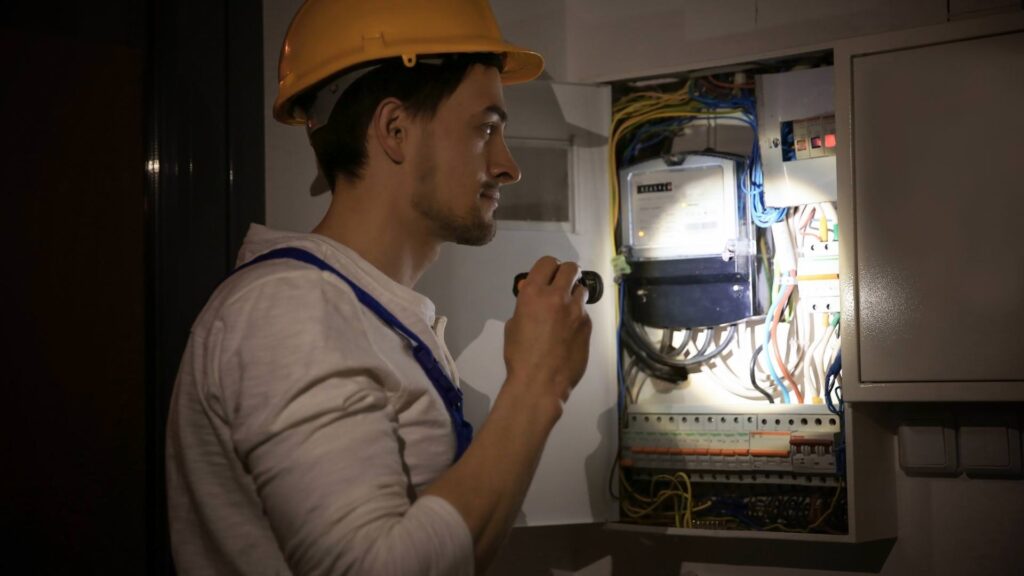
Transforming your home’s electrical panel is a significant step towards enhancing the safety, efficiency, and capability of your home’s power system. This detailed 9-step guide is crafted to assist homeowners through every phase of the electrical panel transformation process, ensuring a smooth and successful upgrade.
Introduction: The Importance of Upgrading Your Electrical Panel
In the era of high-tech appliances and smart home systems, the electrical panel is more than just a functional unit; it’s the heart of your home’s electrical system. Upgrading this essential component is crucial for accommodating modern electrical demands, preventing potential hazards, and paving the way for future technological advancements. A well-planned electrical panel transformation not only boosts the safety and efficiency of your home but also enhances its overall value.
Read also 12 Key Tips for DIY Electrical Panel Replacement >>>
Step 1: Understanding the Need for an Electrical Panel Upgrade
Identifying the need for an upgrade is the first crucial step in the transformation process. Key indicators include:
- Frequent Circuit Breaker Trips: Indicating that your current panel is overloaded.
- Outdated Panel: Panels older than 25 years may not meet modern safety standards.
- Expansion Plans: Need for additional circuits for home renovations or new appliances.
Recognizing these signs helps homeowners understand the urgency and importance of upgrading their electrical panel, setting the stage for a necessary and beneficial transformation.
Step 2: Evaluating Your Home’s Electrical Requirements
A thorough evaluation of your home’s electrical needs lays the groundwork for selecting the right panel. This step involves:
- Energy Consumption Analysis: Assessing the total energy usage of your home.
- Future Planning: Considering potential additions or changes in energy consumption.
- Safety Considerations: Ensuring the new panel meets current safety codes and standards.
This evaluation is essential for choosing a panel that not only meets your current needs but also accommodates future expansions, ensuring a long-term solution for your home’s electrical demands.
Read also Innovations in Electrical Panels: Top 10 Breakthroughs to Watch Out For >>>
Step 3: Choosing the Right Electrical Panel
Selecting the appropriate panel is a decision that impacts the safety and functionality of your entire home. Key factors include:
- Amperage Capacity: Ensuring the panel can handle your home’s electrical load.
- Brand and Quality: Opting for a reputable brand known for durability and reliability.
- Additional Features: Considering panels with surge protection and other modern features.
The right panel choice is a balance between current needs and future-proofing, ensuring your home’s electrical system is equipped to handle both today’s and tomorrow’s challenges.
Step 4: Hiring a Qualified Electrician
The expertise of a qualified electrician is invaluable in this process. When hiring, consider:
- Licensing and Insurance: Verify the electrician’s credentials and insurance coverage. Learn more about electrical panel repair and home insurance >>
- Experience: Look for an electrician with specific experience in panel upgrades.
- References: Check reviews or ask for references to gauge their reliability and work quality.
Engaging a skilled electrician from Top Rated Electric company not only ensures the technical aspects of the installation are handled professionally but also adds a layer of safety and compliance to the entire process.
Read also 6 Considerations for Electrical Panel Replacement and Home Insurance >>>
Step 5: Preparing for the Panel Upgrade
Preparation is key to a smooth upgrade process. This involves:
- Scheduling: Arranging a convenient time for the upgrade, considering the temporary power outage.
- Access: Ensuring clear and safe access to the electrical panel area.
- Backup Plans: Making arrangements for essential power needs during the outage.
Proper preparation minimizes disruption and ensures that the upgrade process is efficient and safe, reducing the stress and inconvenience associated with such major home improvements.
Step 6: The Installation Process
The actual installation of the new panel is a critical phase. It includes:
- Removal of the Old Panel: Safely disconnecting and removing the existing panel.
- Installation of the New Panel: Carefully installing the new panel, ensuring it meets all code requirements.
- System Testing: Conducting thorough tests to ensure everything is functioning correctly.
The installation process is the transformative moment where your home’s electrical system is upgraded, marking a significant improvement in safety and capability.
Step 7: Post-Installation Inspection and Testing
After installation, a comprehensive inspection and testing are crucial. This step includes:
- Local Authority Inspection: Ensuring the installation complies with local electrical codes.
- Functionality Testing: Checking all circuits and connections for proper operation.
- Electrician’s Walkthrough: A final review with the electrician to understand the new system.
This post-installation phase is essential for verifying the safety and effectiveness of the upgrade, providing peace of mind that your home’s electrical system is up to standard.
Read also 6 Points for Your Electrical Panel Replacement Checklist >>>
Step 8: Understanding and Labeling Your New Panel
Familiarizing yourself with the new panel is important for future maintenance and troubleshooting. This involves:
- Circuit Identification: Clearly labeling each circuit for easy identification.
- Educational Briefing: Learning the basics of how your new panel operates.
- Documentation: Keeping a detailed record of the panel specifications and installation details.
Understanding and properly labeling your new panel simplifies future maintenance and enhances your ability to manage your home’s electrical system effectively.
Step 9: Ongoing Maintenance and Upkeep
Regular maintenance ensures the longevity and efficiency of your new panel. Key practices include:
- Routine Inspections: Scheduling periodic checks by a licensed electrician.
- Monitoring Performance: Keeping an eye on the panel’s performance and addressing any issues promptly.
- Updating Records: Keeping documentation up to date with any changes or additional work.
Ongoing maintenance is the final step in safeguarding your investment, ensuring that your home’s electrical panel continues to operate safely and efficiently for years to come.
Read also 8 Reasons Upgrading Your Electrical Panel is a Wise Home Investment >>>
Enhancing Home Safety with Electrical Upgrades
Electrical panel upgrades significantly contribute to your home’s overall safety. This includes:
- Preventing Electrical Fires: Modern panels reduce the risk of electrical fires.
- Circuit Protection: Enhanced protection against overloads and short circuits.
- Future-Proofing: Preparing your home for newer, more demanding electrical appliances.
Enhancing home safety with an electrical upgrade is a proactive measure that not only protects your property but also ensures the well-being of its occupants.
Integrating Smart Home Technology with Your Electrical Panel
Modern electrical panels can be the gateway to smart home technology, offering:
- Remote Monitoring: The ability to monitor and control your home’s power usage remotely.
- Energy Management: Smart panels can help in optimizing energy consumption.
- Home Automation Readiness: Preparing your home for seamless integration with smart home devices.
Integrating smart technology with your electrical panel brings your home into the age of connectivity and automation, offering convenience, efficiency, and enhanced control over your home’s electrical system.
Conclusion: Empowering Your Home with a Modern Electrical Panel
Embarking on an electrical panel transformation is a significant but immensely beneficial undertaking for any homeowner of Los Angeles or other areas. This detailed 9-step guide provides the roadmap for navigating this complex process, ensuring a successful upgrade that enhances your home’s safety, efficiency, and readiness for future electrical demands. With a new electrical panel, you empower your home to meet the challenges of modern living, providing a safe, robust, and adaptable electrical system for years to come.
FAQs on Electrical Panel Transformation
Homeowners often have questions about electrical panel upgrades. Here are some common queries:
- Q: How long does an electrical panel upgrade take?
- A: Typically, the upgrade can take anywhere from a few hours to a full day, depending on the complexity of the installation.
- Q: Is it worth upgrading to a higher-capacity panel?
- A: Upgrading to a higher-capacity panel is often a wise choice, especially if you plan to add more appliances or renovate your home.
- Q: Can an electrical panel upgrade increase my home’s value?
- A: Yes, a modern, up-to-code electrical panel can be a selling point and may increase your home’s value.
- Q: What should I do if I experience issues after the upgrade?
- A: If you encounter any problems post-upgrade, contact the electrician who performed the installation for a follow-up inspection.