
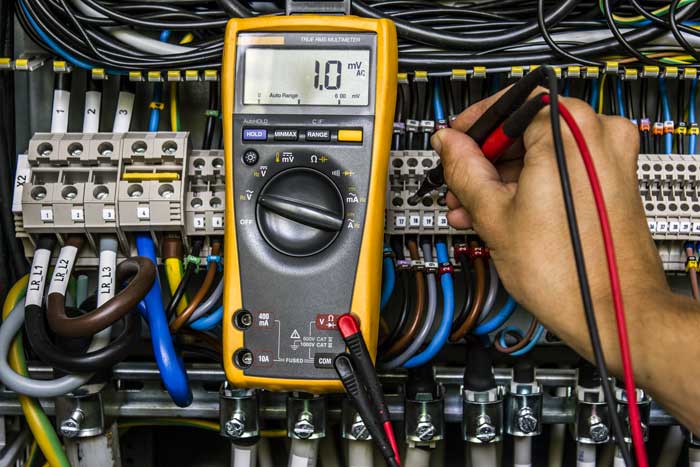
Undertaking electrical panel replacement is a significant decision for any homeowner, impacting not just the electrical system but also home insurance dynamics. It’s a process that requires careful planning and understanding of various factors. This guide, presented by Top Rated Electric, delves into the essential considerations homeowners should be aware of when replacing their electrical panel, highlighting the importance of safety, compliance, and insurance considerations in this critical home improvement project.
Electrical Panel Basics
Electrical panels are the nerve center of a home’s electrical system, crucial for the safe and efficient distribution of power. Understanding their function and the need for upgrades is key to maintaining a modern, safe home environment.
What Constitutes an Electrical Panel?
An electrical panel, often referred to as a breaker box, is the central hub of a home’s electrical system. It distributes electricity to various circuits and protects against overload by tripping breakers when necessary.
Common Reasons for Upgrading
There are several reasons why homeowners might need to upgrade their electrical panels:
- Increased Electrical Demand: Modern homes with high-powered appliances may require more capacity.
- Safety Concerns: Older panels may pose a risk of electrical fires.
- Outdated Technology: Upgrading to a panel with modern safety features is often necessary.
Read also 9-Step Guide for Your Electrical Panel Replacement >>>
Navigating Home Insurance Policies
Navigating home insurance policies in the context of electrical upgrades requires a clear understanding of what your policy covers and how improvements can affect it. This knowledge is vital for homeowners looking to make informed decisions about electrical upgrades.
Coverage for Electrical Upgrades
- Damage Coverage: Insurance typically covers damages caused by electrical malfunctions.
- Upgrade Requirements: Some policies may demand upgrades for older systems to maintain coverage.
- Increased Coverage Cost: Upgrading your electrical system may increase the value of your home, potentially leading to a higher insurance premium.
- Discounts for Upgrades: Many insurance companies offer discounts for homes with upgraded, safer electrical systems.
Understanding these aspects of your home insurance policy is essential when considering electrical panel upgrades.
Read also 6 Points for Your Electrical Panel Replacement Checklist >>>
Policy Updates Post-Replacement
After replacing your electrical panel, it’s important to update your home insurance policy. This ensures that your coverage accurately reflects the improved state of your home. Moreover, it’s an opportunity to discuss potential premium adjustments or additional coverage benefits with your insurer, based on the enhanced safety and efficiency of your new system.
6 Important Considerations
Here we will dive into a detailed exploration into the various aspects homeowners need to ponder when replacing their electrical panels. From understanding building codes to managing costs and evaluating the impact on home safety and insurance premiums, these considerations provide a comprehensive guide to navigating this crucial upgrade.
1. Adherence to Building Codes
Understanding and complying with building codes is crucial:
- Code Knowledge: Familiarize yourself with both local and national electrical codes.
- Professional Assistance: Engage professionals who are up-to-date with these codes.
- Inspections: Schedule regular inspections to ensure ongoing compliance.
Further Insights:
- Legal Implications: Non-compliance can result in legal issues or fines.
- Safety Prioritization: Codes are designed to maximize safety in electrical installations.
- Insurance Repercussions: Many insurance policies require adherence to building codes for coverage.
2. Insurance Premium Adjustments
Consider how an electrical panel upgrade can affect insurance premiums:
- Risk Assessment: Upgraded systems might lower the risk profile of your home.
- Policy Review: Discuss with your insurer the potential for premium reductions.
- Documented Upgrades: Keep a record of all upgrades for insurance purposes.
Additional Considerations:
- Cost vs. Benefit Analysis: Weigh the upgrade cost against potential insurance savings.
- Insurance Advisor Consultation: Seek advice from an insurance professional for tailored insights.
- Periodic Policy Reevaluation: Regularly reassess your policy to reflect any electrical system upgrades.
3. Selecting the Right Professionals
The choice of electrician is critical for a successful upgrade:
- Licensing and Qualifications: Ensure your electrician is licensed and qualified.
- Experience: Choose professionals with specific experience in electrical panel replacements.
- Reputation: Consider the contractor’s reputation and customer reviews.
Choosing the Best Fit:
- References: Ask for and check references from past clients.
- Cost Transparency: Ensure clear and upfront communication about costs.
- Post-Installation Services: Consider contractors who offer follow-up services and maintenance.
4. Cost Management
Effective cost management is vital in the replacement process:
- Budgeting: Create a detailed budget for the entire project.
- Quotations: Obtain multiple quotes to compare costs.
- Unexpected Expenses: Factor in potential additional costs for unforeseen issues.
Smart Financial Planning:
- Long-term Savings: Consider future savings in energy costs and insurance premiums.
- Quality vs. Cost: Invest in quality equipment and panel installation for long-term benefits.
- Financial Assistance: Explore financing options or rebates if available.
Read also 12 Tips to Replace Your Electrical Panel >>>
5. Impact on Home Safety and Value
The replacement can significantly impact home safety and value:
- Safety Enhancements: An upgraded panel increases overall electrical safety.
- Value Addition: Modern electrical systems can raise your home’s market value.
- Insurance Benefits: Enhanced safety features might lead to better insurance terms.
Valuation Factors:
- Buyer Appeal: Modern, safe electrical systems are attractive to potential buyers.
- Reduced Risks: Minimized risk of electrical fires and other hazards.
- Certifications: Obtain and maintain certifications that attest to the safety and modernity of your system.
6. Preparing for the Replacement Process
Proper preparation ensures a smoother replacement process:
- Initial Assessment: Conduct a thorough evaluation of your current electrical system.
- Timeline Planning: Develop a clear timeline for the replacement project.
- Home Arrangements: Prepare your home for the work, considering safety and accessibility.
Streamlining the Process:
- Clear Communication: Maintain open lines of communication with your contractor.
- Safety Precautions: Implement necessary safety measures to protect your home and its occupants.
- Informed Decisions: Stay involved and informed throughout the process to make timely and effective decisions.
Impact on Home Resale Value
Upgrading your electrical panel can have a significant impact on your home’s resale value. This section discusses how modern, efficient electrical systems not only enhance the safety of your home but also make it more attractive to potential buyers, potentially increasing its market value.
Long-Term Value of Upgraded Electrical Panels
- Enhanced Safety: Upgraded panels significantly reduce the risk of electrical fires and other hazards.
- Energy Efficiency: Modern panels can improve energy management, leading to lower utility bills.
- Appeal to Buyers: Homes with updated electrical systems are often more attractive to buyers.
- Compliance with Codes: Upgrades ensure compliance with current electrical codes, a key selling point.
Recognizing these long-term benefits helps homeowners understand the value of investing in an electrical panel upgrade or panel repairing.
Read also 8 Reasons Upgrading Your Electrical Panel is a Wise Home Investment >>>
Attracting Potential Buyers with Upgrades
An upgraded electrical panel is a compelling feature for potential homebuyers. It signifies a commitment to safety, efficiency, and modern living. Highlighting this upgrade in listings can attract buyers looking for homes that require minimal renovations and are ready to meet contemporary electrical demands.
Conclusion and Personal Experience
In conclusion, electrical panel replacement is a multifaceted process that requires careful consideration of numerous factors, including adherence to safety standards, managing costs, and understanding the implications on home insurance and resale value. Through our experience at Top Rated Electric, we’ve seen the profound impact that a well-planned electrical upgrade can have on a home, offering enhanced safety, efficiency, and peace of mind to homeowners.
FAQs on Relationship Between Home Insurance and Electrical Panel Replacement
- How often should I replace my electrical panel?
Generally, electrical panels should be replaced every 25-30 years, but this can vary based on usage and the condition of the panel. - Can I do the electrical panel replacement myself?
Due to the complex and potentially dangerous nature of the work, it’s highly recommended to hire a professional electrician. - Will my home insurance cover the cost of replacing an electrical panel?
This depends on your specific policy. Some insurers may cover part or all of the cost if the replacement is due to insured damage. - How can I find a reliable electrician for my panel replacement?
Look for licensed, certified professionals with good reviews and a strong reputation, like those at Top Rated Electric. - What are the signs that I need to replace my electrical panel?
Signs include frequent circuit breaker trips, visible damage, outdated technology, and the inability to support modern electrical loads.